


10 Best Things to Do in Okinawa From Tokashiki Snorkeling to Shuri Castle
- Incredible Traveler
- 2 days ago
- 8 min read
Updated: 19 hours ago
Okinawa is the kind of trip that rewards a little planning. Distances can look short on a map, then traffic, ferry times, beach stops, and roadside snack breaks stretch the day in the best way. My favorite memories came from mixing water, culture, food, and slow scenic drives instead of trying to rush through every attraction.
This list follows the route I’d suggest for a first visit: start with the sea, work through craft villages and northern viewpoints, save time for history, then finish with easy shopping before flying home. These are the best things to do in Okinawa if you want a trip that feels active, personal, and well-rounded.
1. Take the ferry to Tokashiki and snorkel in clear Kerama water
Activities
Tokashiki was the first place that made me slow down. I started at Tomari Wharf in Naha, often simply called the Naha ferry terminal by travelers, with a small bag, sunscreen, and a little too much confidence about the sun.
The ferry ride is part of the experience. As Naha fades behind you, the water shifts into brighter shades of blue, and the islands begin to appear low on the horizon. On calm days, the ride feels easy and relaxed. On rougher days, it can get bumpy, so motion sickness medicine is worth packing if you’re sensitive.

Once on Tokashiki, I headed toward the beach for snorkeling. The water near the Kerama Islands is famous for visibility, and it lived up to the hype without needing big words to describe it. I saw schools of small fish moving around the coral and spent most of the time floating, kicking slowly, and trying not to fog up my mask.
Practical tip: Book ferry tickets early during busy periods, especially weekends and holidays. Bring reef-safe sunscreen, a towel, cash, and water shoes if you dislike stepping on rough coral or rocks.
2. Make your own cup at Ryukyu Glass Village

Ryukyu Glass Village in Itoman gave me a hands-on break from beaches and viewpoints. The best part was making a glass cup with help from the staff. I chose the colors, watched the molten glass glow inside the workshop, then shaped the cup while trying to follow instructions without looking too nervous.
What I liked most was learning how Ryukyu glass developed. After World War II, local makers famously used discarded glass bottles and other materials to create glassware. That practical beginning turned into a craft style known for thick glass, small bubbles, and strong colors.
The finished cup had tiny imperfections, which made it feel more like mine. It also became the souvenir I used most after the trip, not just something that sat on a shelf.
Practical tip: If you make glassware, ask when it will be ready for pickup or shipping. The piece needs time to cool, so don’t schedule this right before leaving Okinawa.
3. Drive to Kouri Island for observation deck views

Kouri Island is a classic Okinawa drive, and the approach across Kouri Bridge is half the fun. The road runs over bright water, with low islands and fishing boats spread across the view. I remember rolling the windows down and immediately regretting not stopping sooner for a cold drink.
The main highlight for me was the observation deck at Kouri Ocean Tower. From the upper levels, the bridge looks like a thin line across the water, and the sea stretches out in layers of blue and green. It’s a great place to pause, take photos, and understand why people build whole Okinawa day trips around the northern coast.
There are small cafes and souvenir stops nearby, but I’d avoid treating Kouri as a quick photo stop only. Give it time. Walk around, grab a drink, and let the view settle in.
Practical tip: Go earlier in the day if you want easier parking and softer light for photos. A rental car makes this stop much simpler.
4. Visit Nago Castle Park during the Cherry Blossom Festival

Nago Castle Park feels completely different during cherry blossom season. Okinawa’s cherry blossoms bloom earlier than those on mainland Japan, usually around late January to February, and the park becomes a favorite local gathering place.
I visited during the festival, and the atmosphere felt relaxed and happy. Food vendors lined parts of the walking areas, selling festival snacks, grilled items, sweets, and drinks. The blossoms followed the paths and stairs in deep pink clusters, framing the walk uphill.
This is not the quiet, formal cherry blossom viewing people may picture from Kyoto or Tokyo. It feels more local and casual. Families stroll, friends stop for snacks, and people take photos under the branches before moving on to the next vendor.
Practical tip: Wear comfortable shoes. The park has slopes and stairs, and festival crowds can make parking slower than expected.
5. Spend an April afternoon at Okinawa Churaumi Aquarium

We visited Okinawa Churaumi Aquarium in April, and it turned into one of the easiest full-day plans of the trip. April was warm, but not as heavy as midsummer, which made walking around the Ocean Expo Park area more comfortable.
Inside, the sea creatures steal all the attention. The large Kuroshio Sea tank is the centerpiece, with whale sharks, rays, and other fish moving through the water in slow, steady patterns. I stayed longer than planned because every few minutes something new passed by the glass.
The smaller exhibits are worth your time too. I liked the reef fish, deep-sea displays, and tanks that show how Okinawa’s marine life changes with depth and habitat. It helped connect the snorkeling I had done at Tokashiki with the larger ocean around the islands.
Practical tip: Pair the aquarium with nearby northern Okinawa stops, like Kouri Island or Nago Pineapple Park, instead of driving all the way north for only one attraction.
6. Walk through American Village and stay for weekend fireworks

American Village in Chatan is colorful, playful, and a little strange in the best travel-day way. The architecture mixes seaside resort style, retro Americana, murals, shops, arcades, and restaurants into a walkable area near the water.
I liked going in the late afternoon, when the heat started to calm down and the signs began to light up. It’s a good place to eat without overthinking it. You can find burgers, Okinawan food, cafes, ice cream, and casual bars within a short walk.

The weekend fireworks were a fun surprise. They don’t take over the whole night, but they add a festive finish if you time dinner well. I watched from near the waterfront, with people pausing mid-conversation to look up as the bursts reflected off the water.
Practical tip: Weekend evenings get crowded. Arrive before sunset, park once, then explore on foot.
7. See Southeast Botanical Gardens during Christmas illuminations

Southeast Botanical Gardens is peaceful during the day, but my strongest memory is visiting during the Christmas illumination season. The garden paths were covered in lights, with glowing displays set around ponds, trees, and open lawns.
It felt especially fun because Okinawa’s winter weather is mild compared with much of Japan. Walking through holiday lights without freezing made the whole evening feel relaxed. I took my time, stopped often for photos, and ended up staying longer than I expected.
The gardens are also a good choice when traveling with people who need a slower evening. After several days of driving and sightseeing, having one calm walk under lights was exactly what I needed.
Practical tip: Check seasonal dates before planning around the illuminations. They usually run in winter, but schedules can change each year.
8. Visit Shuri Castle and understand its ongoing reconstruction

Shuri Castle is one of the most important historical places to visit in Okinawa. It was the royal center of the Ryukyu Kingdom and remains deeply tied to Okinawan identity, even as reconstruction continues after the major fire in 2019.
I found the visit moving because it is not only about seeing a finished castle. It is also about watching a cultural site being rebuilt with care. Depending on when you visit, access and viewing areas may change, but that process is part of the story now.
The castle grounds help explain how Okinawa’s history differs from mainland Japan. The architecture, layout, colors, and stone walls reflect the Ryukyu Kingdom’s connections across East Asia. Even with reconstruction in progress, the site gives context that makes the rest of an Okinawa trip feel deeper.
Practical tip: Check the official updates before going so you know which areas are open. Combine it with time in Naha, since Shuri is easy to reach compared with northern attractions.
9. Cool off at Nago Pineapple Park and taste local pineapple treats

Nago Pineapple Park sounds lighthearted, and it is, but it also taught me more than I expected. I visited on a hot day, the kind where every shaded corner feels like a reward. The park’s covered areas, carts, and tasting stops made it an easy break from the heat.
The exhibits explain how pineapples became part of Okinawa’s agriculture, especially in the north. It’s touristy, sure, but in a cheerful way. I rode through the grounds, looked at rows of pineapple plants, and learned how they grow low to the ground rather than from trees, which still surprises some visitors.
Then came the tasting. Pineapple juice, pineapple sweets, cakes, and snacks appear everywhere. Some items are better than others, but sampling them is half the point. I left with pineapple souvenirs I had no plan to buy.
Practical tip: This is a good stop with kids or anyone who wants a break from beaches and historical sites. Go before or after the aquarium to keep your northern Okinawa route efficient.
10. Finish at Okinawa Outlet Mall Ashibinaa for easy shopping
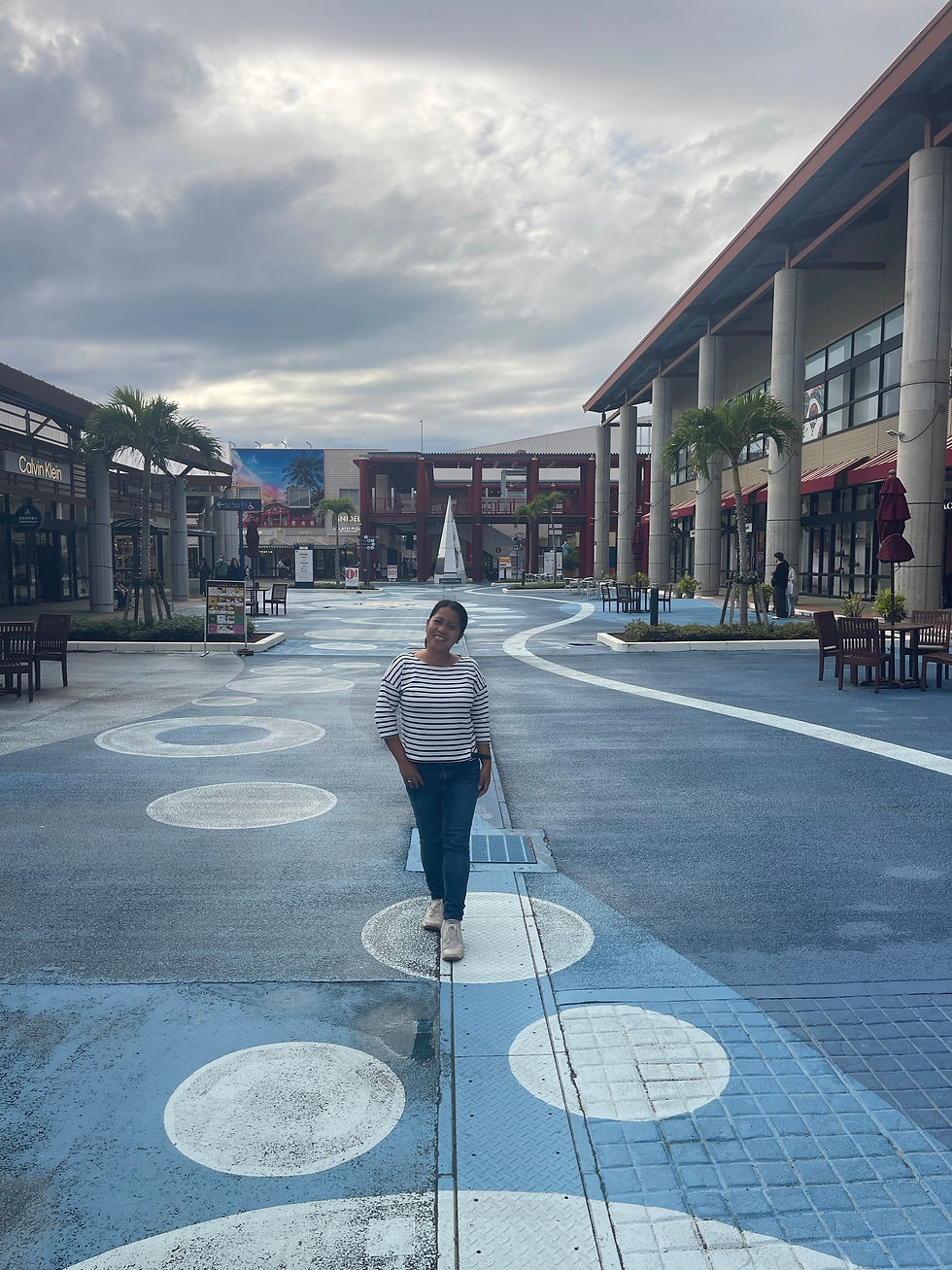
Okinawa Outlet Mall Ashibinaa is a practical final stop, especially if you fly out of Naha Airport. It has a wide range of stores, from fashion and shoes to sportswear, luggage, accessories, and gift-friendly items. After several days of sightseeing, I liked having one place where errands were simple.
This is where I’d buy last-minute travel basics, extra bags, or gifts that pack well. It’s also useful if Okinawa’s weather catches you off guard and you need sandals, a hat, or lighter clothes. I’ve learned not to underestimate how much the heat can change your packing needs.
The mall is easy to pair with nearby attractions in southern Okinawa or a final meal before returning the rental car. It may not create the same memories as snorkeling or castle walks, but it solves real travel problems.
Practical tip: Visit with a shopping list, compare prices, and leave room in your luggage. If you’re heading to the airport after, keep your passport and travel documents easy to reach.
A simple Okinawa itinerary that connects these stops
For first-time visitors, the easiest plan is to group attractions by area instead of crossing the island every day. This keeps driving more manageable and leaves room for beach stops, meals, and weather changes.
Day | Suggested plan |
Day 1 | Shuri Castle, Naha area, and Ryukyu Glass Village |
Day 2 | Tokashiki day trip from Naha |
Day 3 | American Village and Southeast Botanical Gardens |
Day 4 | Nago Castle Park, Nago Pineapple Park, and Kouri Island |
Day 5 | Okinawa Churaumi Aquarium and Outlet Mall Ashibinaa before departure |
If planning feels easier with tours, tickets, or transport bundled ahead of time, browse Okinawa activities and attraction options on Klook before locking in your schedule.
Final thoughts on planning your Okinawa trip
The best Okinawa days have a good rhythm: get on the water early, give yourself time to eat, plan longer drives with patience, and save indoor or low-effort stops for the hottest hours. Tokashiki gave me the clearest ocean memories, Shuri Castle gave the trip historical weight, and the smaller stops, like glassmaking and pineapple tasting, made the days feel more personal.
For a first trip, don’t try to cover every beach and every attraction. Pick a mix of sea, history, food, craft, and easy wandering. That balance is what makes Okinawa feel worth returning to.


Comments