
Japan in 2026 15 Essential Things Tourists Need to Know Before Visiting
Updated: Aug 24

Japan is easier to visit than ever in some ways, and more complicated in others. Trains are efficient, safety is high, and major cities are well set up for travelers. At the same time, crowds, reservation systems, cashless payments, tourism taxes, and etiquette rules are changing the way a first trip feels.
This Japan travel guide focuses on what will matter most for families, couples, solo travelers, and anyone planning their first trip in 2026. Use it as a practical Japan travel checklist before booking flights, hotels, trains, and restaurants.
1. Entry steps are getting more digital
Japan has been moving more arrival paperwork online. Many travelers already use Visit Japan Web, the official online system where visitors can register immigration and customs information before arrival.
For 2026, check the latest entry requirements before departure because systems can change. Passport rules, visa-free entry, electronic forms, and customs declarations may vary by nationality.
A smart pre-flight checklist includes:
Confirm your passport is valid for the full trip
Check whether your nationality needs a visa
Complete any official online arrival forms
Save QR codes or confirmation screens offline
Carry your hotel address for immigration forms
Do not rely only on airline staff at check-in. Look at official Japanese government or embassy pages before travel.
2. Tourist crowds are being managed more actively
Japan has seen heavy visitor numbers in places like Kyoto, Tokyo, Osaka, Nara, Mount Fuji, and popular hot spring towns. In response, local governments and businesses are using more crowd-control measures.
That can mean reservation-only entry, timed tickets, visitor caps, one-way walking routes, luggage restrictions, or extra fees in high-traffic areas.
For a first trip, this changes how to plan. Build your Japan itinerary around bookable activities, not just loose ideas. For example, if a temple, museum, theme park, observation deck, or scenic transport route matters to your trip, look up reservation rules early.
Popular places are still worth visiting. They simply require better timing.
3. Kyoto needs a slower, more respectful plan
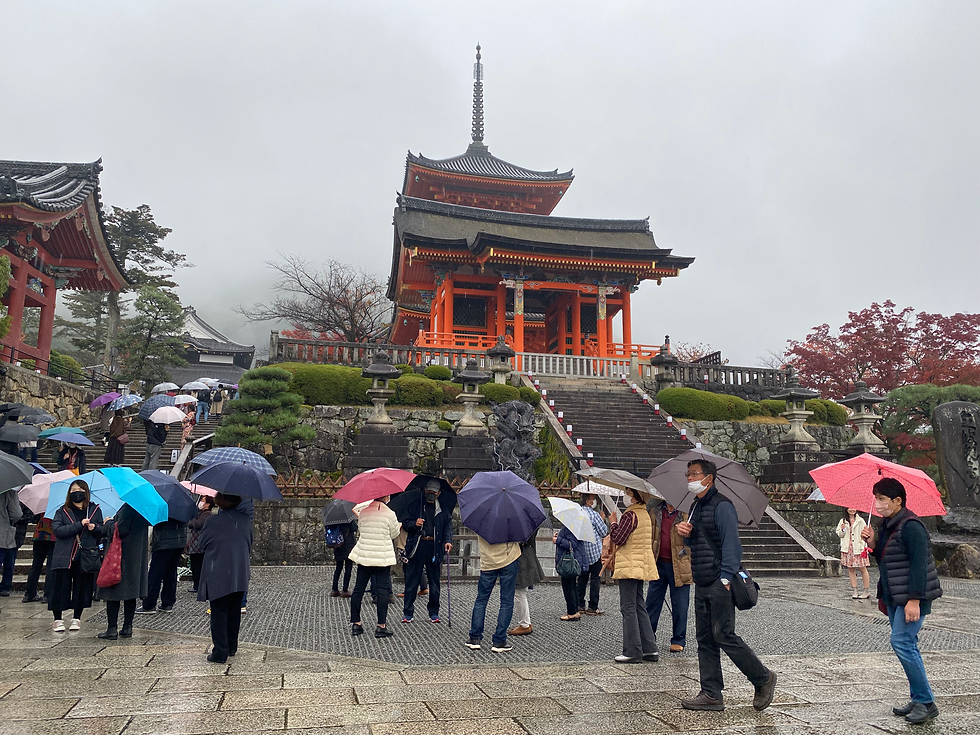
Kyoto is one of the places where tourism pressure is most visible. Residential lanes, small buses, shrines, temples, and traditional districts can get crowded fast.
Plan Kyoto with fewer stops per day. A rushed checklist of famous sights can turn into long lines and crowded buses. Choose two or three main areas and leave room for walking, meals, and breaks.
Good habits in Kyoto include:
Keep voices low near homes and temples
Do not touch geisha or maiko, who are working artists
Avoid blocking narrow streets for photos
Follow signs about private roads and photography
Use trains or taxis when buses are packed
This is some of the most useful Japan travel advice for a first visit: Kyoto rewards patience.
4. Mount Fuji trips need extra planning

Mount Fuji tourism has changed because of crowding, safety concerns, and seasonal climbing pressure. Visitors should expect more rules around access, climbing periods, fees, trail controls, and transport.
If the goal is to see Mount Fuji, base the trip around weather and flexibility. Clear views are not certain, especially in warmer or cloudy seasons. Kawaguchiko, Hakone, and some train routes can offer views, but no location can promise them every day.
If the goal is to climb Mount Fuji, check the official climbing season, trail rules, mountain hut reservations, and required gear. Climbing is not a casual city day trip. Weather can change quickly, and altitude affects some travelers.
5. Cashless payment is common, but cash still matters
Japan has become much more card-friendly, especially in cities. Hotels, department stores, chain restaurants, convenience stores, and train stations often accept credit cards or mobile payments.
Still, cash remains useful. Smaller ramen shops, temples, rural buses, local markets, coin lockers, older inns, and neighborhood restaurants may prefer or require yen.
Bring a debit card that works internationally and know your bank’s fees. Convenience store ATMs are often useful for withdrawals, especially in major cities and tourist areas.
A simple money setup works best:
Credit card for hotels and larger purchases
Cash for small shops, temples, snacks, and local transport
A coin pouch, because Japan uses coins often
Backup card stored separately from your wallet
6. Train cards are worth understanding before arrival
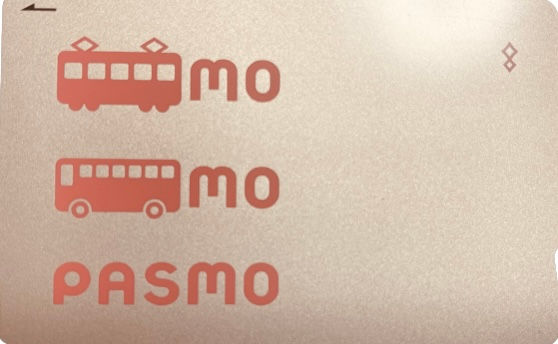
Many travelers use a rechargeable transit card for local trains, subways, buses, and small purchases. These cards are often called IC cards, which means integrated circuit cards. Common examples include Suica and PASMO in the Tokyo area.
They work like tap-to-pay transit cards. Load money onto the card, tap at ticket gates, and use the balance for short rides or convenience store purchases.
Physical card availability has changed at times due to supply issues, so check before travel. Many iPhone users can add a Suica or PASMO card to Apple Wallet, depending on their phone and payment card. Android support depends more on the device and region.
For first-timers, this is one of the best Japan travel tips 2026 travelers should prepare before landing: learn your local train payment options before your first airport transfer.
7. The Japan Rail Pass is no longer an automatic deal
The Japan Rail Pass is a tourist train pass sold for nationwide travel on trains operated by the Japan Railways Group. It can include long-distance bullet trains, limited services, and some local routes.
Years ago, many visitors bought it by default. Since price changes, it now only makes sense for certain routes with several long-distance train rides close together.
Before buying, compare:
Your exact cities
Travel dates
One-way train fares
Regional rail passes
Domestic flights
Highway buses
The Shinkansen, Japan’s high-speed bullet train, is fast and comfortable, but not every itinerary needs a national pass. A Tokyo, Kyoto, and Osaka route may or may not justify one depending on side trips and timing.
8. Luggage rules can affect train days
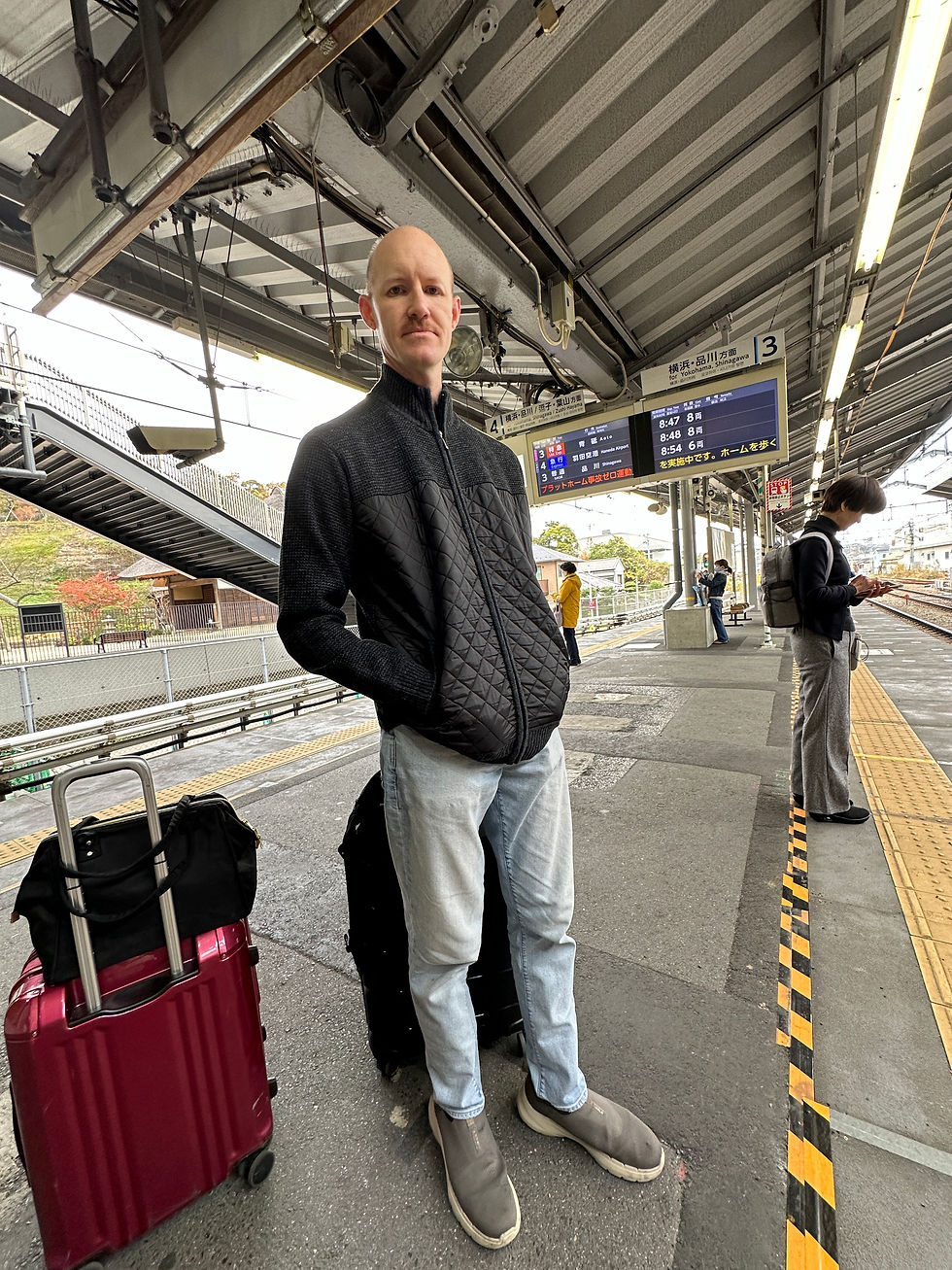
Large suitcases make Japan harder. Stations can be crowded, elevators may be far apart, and hotel rooms are often smaller than U.S. travelers expect.
On some bullet train routes, oversized luggage may require a reserved space. Even when not required, carrying huge bags through stations is stressful.
Use luggage forwarding when it fits your route. This service sends bags from one hotel to another, often arriving the next day or on a scheduled date. Hotels can usually help, though rural stays and short turnarounds need extra coordination.
Pack one small overnight bag if forwarding luggage between cities. Families may find this especially helpful.
9. Restaurant reservations matter more than many visitors expect
Japan has many casual places where walk-ins work well, including ramen shops, conveyor belt sushi, curry shops, cafés, and food halls. Yet smaller popular restaurants may seat only a handful of guests.
For 2026, expect more online reservations, ticket machines, set dining times, and cancellation rules. Some restaurants require hotel concierge help or Japanese-language booking platforms.
A balanced food plan works well:
Reserve a few important meals
Leave open time for casual meals
Learn how ticket-machine restaurants work
Arrive early for popular no-reservation spots
Check whether children are welcome at small counters
For solo travelers, counter seating can be a real advantage. Many restaurants are comfortable for one person.
10. Convenience stores are part of travel planning

Japanese convenience stores are useful far beyond snacks. They sell breakfast, drinks, toiletries, umbrellas, basic clothing items, medicine-like daily goods, and packaged meals. Many also have ATMs, copy machines, and ticket services.
For families, convenience stores are an easy way to solve small problems: a hungry child, sudden rain, missing toothbrush, or late-night meal after a train ride.
They also help with pacing. A convenience store breakfast before an early train may save time and money compared with searching for an open café.
Just remember to dispose of trash properly. Public trash cans can be limited, so carry small wrappers until you find the right bin.
11. Trash, recycling, and public manners are taken seriously
Japan can feel very clean, but public trash cans are not everywhere. Visitors often get surprised after buying street food or drinks.
Carry a small bag for trash. Sort bottles, cans, burnable trash, and plastic when bins are labeled. At food stalls, eat near the stall if signs request it.
Public manners also matter on transit:
Keep phone calls off trains
Line up where platform markings show
Let passengers exit before boarding
Keep backpacks low or in front on crowded trains
Avoid eating on local commuter trains
Long-distance trains are different. Eating a boxed meal on a bullet train is normal, especially on longer rides.
12. Hotels may be smaller and stricter than expected

Hotel rooms in Japan, especially in Tokyo, Kyoto, and Osaka, can feel compact compared with U.S. rooms. A “double” room may be tight for two people with large suitcases. Families should read bed sizes and room layouts carefully.
Check these details before booking:
Room size in square feet or square meters
Bed type and number of beds
Child policies
Check-in and check-out times
Luggage storage rules
Laundry machines
Distance from the nearest train station
Traditional inns, called ryokan, can include tatami mat rooms, futon bedding, shared baths, and set meal times. They can be memorable, but they come with house rules. Read them before booking.
13. Public baths and hot springs have clear etiquette

Japan’s public baths and hot springs, called onsen when the water is naturally heated by geothermal sources, are a special part of travel. They also come with rules that may feel unfamiliar.
The basic process is simple. Wash and rinse your body before entering the bath. Keep towels out of the water. Tie up long hair. Do not swim or splash. Speak softly.
Tattoo policies vary. Some baths allow tattoos, some require cover stickers, and some do not allow visible tattoos. Check ahead, especially at traditional inns or small bathhouses.
For families, note that age and gender rules differ by facility. Private baths can be a good option for parents with children or travelers who want more comfort.
14. Weather planning is becoming more important
Japan’s weather can shape a trip more than first-time visitors expect. Summers can be hot and humid. Rainy season affects many areas in early summer. Typhoon season can disrupt flights and trains. Winter brings snow to northern and mountain regions.
Pack for the season, not just the cities. Tokyo and Kyoto may be warm, while Hokkaido or mountain towns need layers.
For summer travel, plan more indoor breaks. Museums, department stores, aquariums, covered shopping streets, and hotel rest periods can make a big difference. Families with children and older travelers should avoid filling the hottest part of the day with outdoor sightseeing.
For autumn and spring, book earlier. Cherry blossom and fall foliage periods remain popular and hotel prices can rise.
15. A flexible itinerary beats a crowded one
The biggest mistake on a first Japan trip is trying to fit too much into each day. Japan’s transport is excellent, but stations are large, transfers take time, and neighborhoods reward wandering.
A practical first trip might include:
Tokyo for food, neighborhoods, museums, and day trips
Kyoto for temples, gardens, and traditional streets
Osaka for casual food, nightlife, and family-friendly attractions
One slower stop such as Hakone, Nara, Kanazawa, or a hot spring town
Avoid changing hotels too often. Two or three bases are usually easier than packing every other day.
Leave open blocks in the schedule. Use them for shopping, a park, a café, a second visit to a favorite neighborhood, or rest after a long train ride.
A simple 2026 pre-trip checklist
Before traveling, review the details that can change close to your dates:
What to check | Why it matters |
Entry rules and online forms | Saves time and stress at the airport |
Hotel location | A nearby train station can make the trip easier |
Train pass value | Some routes cost less with regular tickets |
Restaurant reservations | Small popular places fill quickly |
Luggage plan | Large bags can slow down travel days |
Weather and season | Heat, rain, snow, or typhoons can affect plans |
Local rules at major sights | Timed entry and visitor limits are more common |
Japan in 2026 will still offer the things travelers love: reliable trains, careful service, excellent food, safe cities, and deep regional culture. The difference is that good planning matters more now.
Book the parts that need booking, stay flexible where flexibility helps, and give each place enough time to breathe. A first trip to Japan goes better when the schedule leaves room for real moments, not just famous stops.


Comments