
10 Overcrowded Places in Japan and How to Visit Responsibly
Japan rewards slow attention: the sound of gravel underfoot at a shrine, steam rising from a bowl of ramen, the hush before a train glides into the station. The challenge is that many trips follow the same famous route, often at the same hours, in the same seasons.
Japan overtourism, meaning too many visitors concentrating in the same places at the same times, is not a reason to skip the country’s icons. It is a reason to visit with more care.
Responsible tourism starts with simple choices: travel outside the busiest hours, follow local rules, spend money in neighborhoods beyond the main photo spots, and treat sacred and residential places as part of daily life, not a stage set. These Japan travel tips can help make a first trip smoother, more respectful, and more rewarding.
1. Fushimi Inari Shrine in Kyoto

Fushimi Inari Shrine is famous for its thousands of vermilion torii gates climbing Mount Inari. It is also one of Kyoto’s most photographed places, which means the lower paths can feel crowded by midmorning.
The impact is easy to miss: narrow walkways slow down, people block paths for photos, and the shrine atmosphere becomes less calm for worshippers.
How to visit responsibly
Arrive early in the morning or later in the afternoon.
Keep moving after taking photos, especially under the gates.
Stay on marked paths and avoid touching shrine structures.
Speak softly near prayer areas.
Alternative to consider
Visit Yoshida Shrine or Imamiya Shrine in Kyoto for a quieter shrine experience with strong local character.
2. Arashiyama Bamboo Forest in Kyoto

The Arashiyama Bamboo Forest is beautiful, especially when light filters through the tall stalks. It is also one of the clearest examples of Kyoto overtourism, a term often used to describe the strain caused when too many visitors gather in Kyoto’s best-known districts.
The bamboo path is narrow, and steady foot traffic can make it harder to enjoy the setting. Nearby streets, shops, and buses also feel the pressure during busy periods.
How to visit responsibly
Go at sunrise if photography is a priority.
Avoid stopping in the middle of the path for long photo sessions.
Explore beyond the bamboo grove, including temples farther from the station.
Use trains instead of taxis when possible.
Alternative to consider
Try the bamboo paths around Adashino Nenbutsuji Temple or visit Ohara, a peaceful area north of central Kyoto with temples and rural scenery.
3. Kiyomizu-dera and the Sannenzaka area in Kyoto
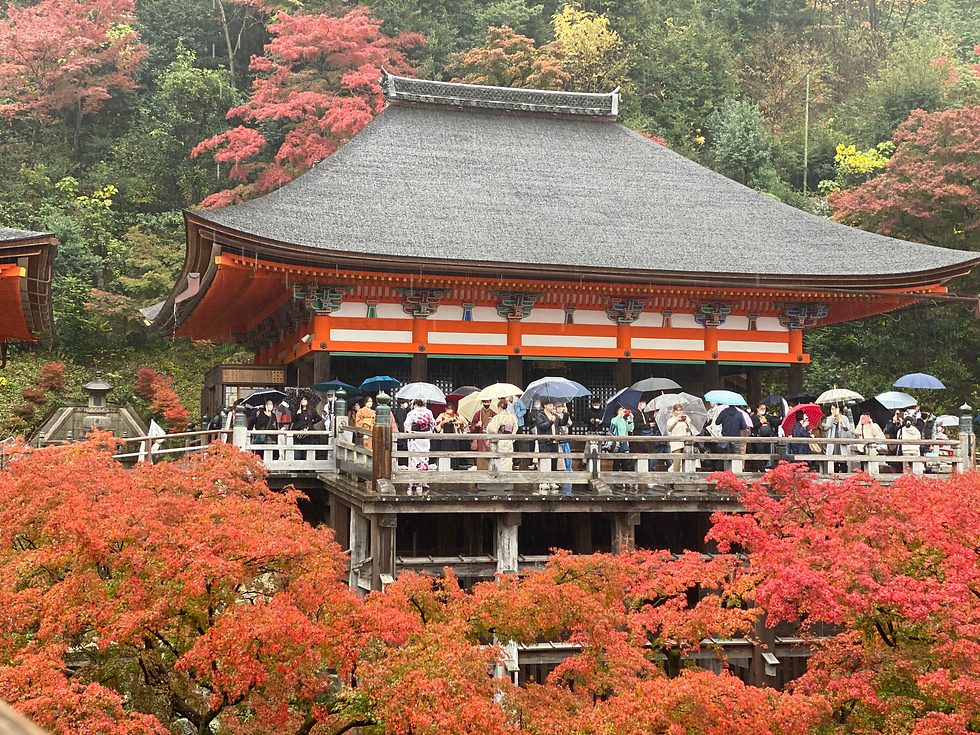
Kiyomizu-dera is one of Kyoto’s landmark temples, with a wooden stage overlooking the city. The approach through Sannenzaka and Ninenzaka is part of the experience, lined with old-style buildings and shops.
Crowding here affects more than sightseeing. These lanes are used by residents, delivery workers, shop staff, students, and temple visitors. When people stop suddenly for photos or eat while walking in tight spaces, movement becomes difficult.
How to visit responsibly
Visit on a weekday when possible.
Step to the side before checking maps or taking photos.
Eat in designated areas or inside shops rather than while walking.
Respect private homes, closed doors, and “no photo” signs.
Alternative to consider
Visit Shoren-in Temple or Chishaku-in Temple for gardens, calm interiors, and a slower Kyoto morning.
4. Nara Park in Nara
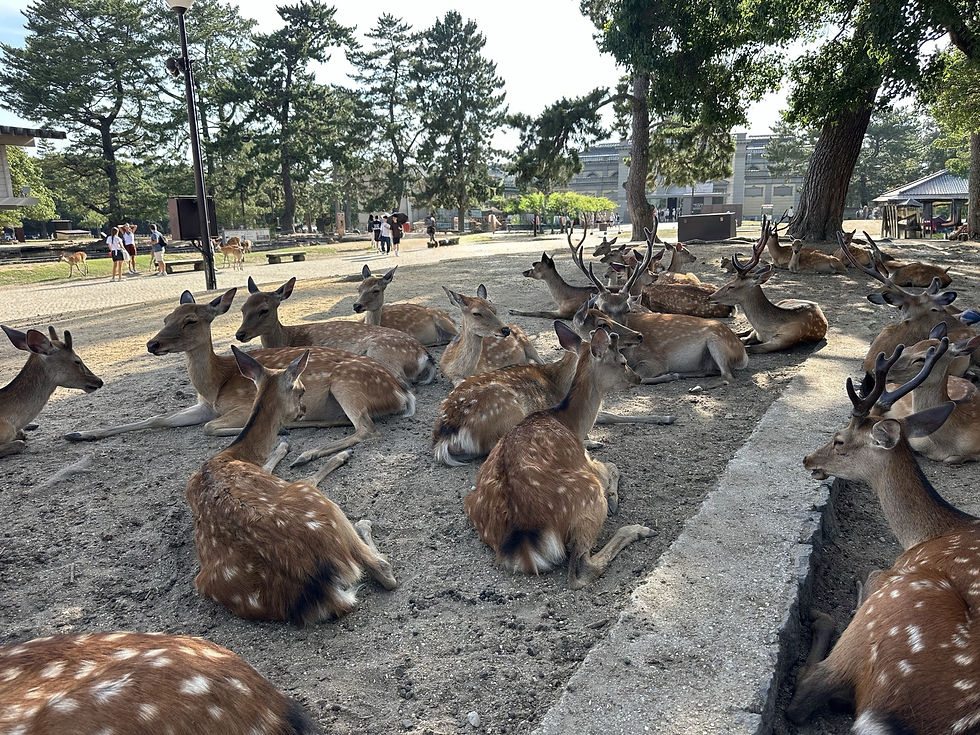
Nara Park is known for its free-roaming deer and easy access to Todai-ji, home to the Great Buddha. Many visitors come for deer photos, but close contact can create problems for both animals and people.
Deer may become stressed or pushy when visitors tease them with food, hold crackers too long, or feed them items other than approved deer crackers. Litter can also harm wildlife.
How to visit responsibly
Feed deer only official crackers sold in the park.
Do not feed packaging, snacks, or leftovers.
Bowing deer are charming, but keep a respectful distance.
Watch children closely, especially when holding food.
Alternative to consider
Spend time at Isuien Garden or Kasuga Taisha’s forested paths, where the Nara atmosphere feels calmer and more spacious.
5. Shibuya Crossing in Tokyo

Shibuya Crossing is one of Tokyo’s most recognizable scenes. The coordinated movement of pedestrians, bright screens, and train station energy make it a favorite for first-time visitors and photographers.
The issue is not the crossing itself. It is how people use the area around it. Stopping in the road, filming while walking, or blocking station exits can create safety concerns and slow local commuters.
How to visit responsibly
Cross with the signal and keep walking.
Take photos from a safe viewpoint, not while standing in traffic.
Avoid blocking storefronts, station stairs, and escalators.
Explore Shibuya beyond the crossing, including quieter side streets and small restaurants.
Alternative to consider
For neon and city photography, try Nakano, Koenji, or Kagurazaka. They offer a different side of Tokyo with strong neighborhood personality.
6. Dotonbori in Osaka
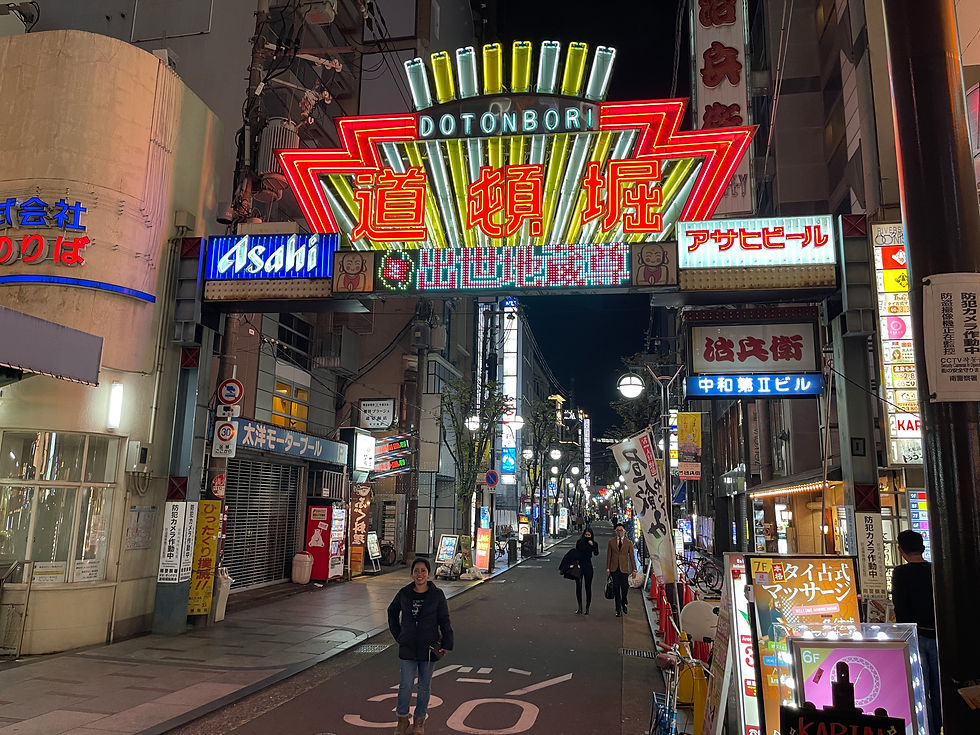
Dotonbori is bold, bright, and food-focused. Giant signs, canal views, takoyaki stalls, and the famous running man sign draw many visitors, especially at night. The Dotonbori crowd gets thick along the canal and near popular food stands.
Crowding can affect local businesses when lines block entrances or when trash is left near bins that are already full. It can also make it harder for families and older travelers to move comfortably.
How to visit responsibly
Eat near the shop where you bought food, if the shop requests it.
Carry small trash until you find the correct bin.
Avoid lining up across doorways or narrow walkways.
Visit earlier in the evening for a more relaxed meal.
Alternative to consider
Try Tenma for casual dining, Ura-Namba for small restaurants, or Shinsekai for retro Osaka character.
7. Mount Fuji and the Fuji Five Lakes area
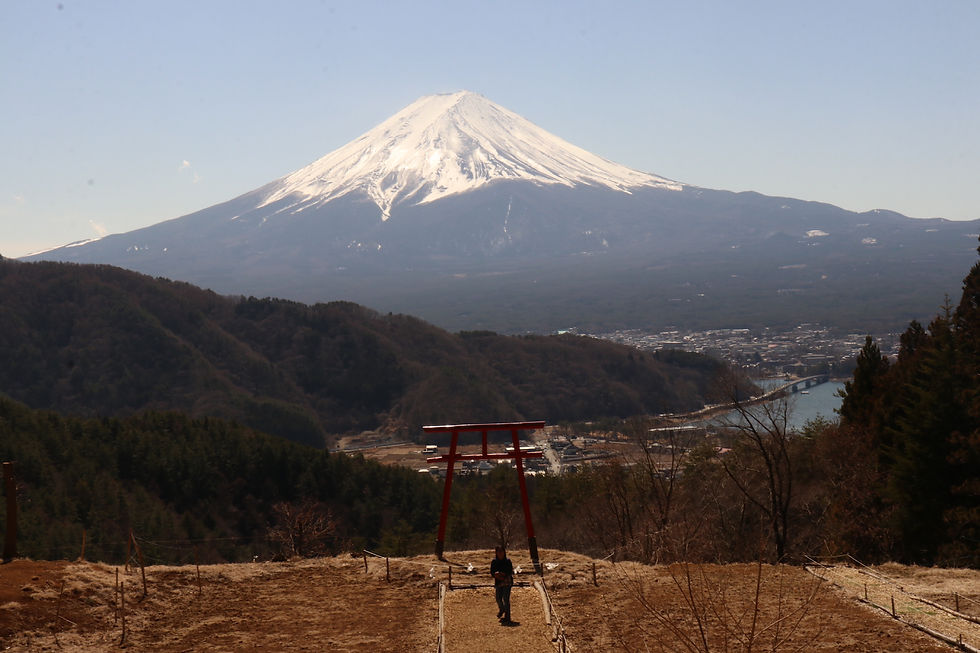
Mount Fuji is a sacred symbol, a hiking goal, and one of Japan’s most photographed sights. Mount Fuji crowds are most noticeable during climbing season, at popular viewpoints, and around famous photo spots near stations, lakes, and convenience stores.
The impact includes trail congestion, litter, unsafe hiking choices, and strain on small communities that were not built for constant traffic. Weather can change quickly, and visitors who arrive unprepared may need help from others.
How to visit responsibly
If climbing, prepare proper shoes, layers, water, and a realistic plan.
Follow official trail rules and seasonal guidance.
Do not leave trash on trails or at viewpoints.
Choose legal parking and avoid stepping into roads for photos.
Alternative to consider
For Fuji views, try Lake Saiko, Lake Shoji, or Mishima Skywalk. For mountain scenery without the same attention, consider Kamikochi during its open season.
8. Gion in Kyoto

Gion is often described through images of lanterns, wooden townhouses, and geiko and maiko culture. It is also a living neighborhood with private residences, working teahouses, and narrow lanes.
Photography can become intrusive when visitors chase, block, or photograph performers without consent. Some lanes have posted rules because daily life and cultural work need privacy.
How to visit responsibly
Follow all local signs about photography and access.
Do not stop geiko or maiko for photos.
Keep voices low in narrow evening streets.
Book a legitimate cultural performance or dining experience if interested in the arts.
Alternative to consider
Visit Kamishichiken, Kyoto’s oldest geiko district, with care and awareness. For traditional streets without the same pressure, explore parts of Nishijin.
9. Tsukiji Outer Market in Tokyo

Tsukiji Outer Market remains a popular food stop, even after the wholesale tuna auctions moved to Toyosu. Visitors come for sushi, grilled seafood, tamagoyaki, and street snacks.
The market still serves working food businesses, chefs, vendors, and regular shoppers. Crowding can slow deliveries and make it harder for shops to operate when visitors eat in the flow of foot traffic or photograph staff without asking.
How to visit responsibly
Go earlier in the morning, but avoid blocking working areas.
Ask before taking close-up photos of vendors.
Eat where the shop directs you.
Buy something if you spend time at a small stall.
Alternative to consider
Visit Toyosu Market for the modern market experience, or explore neighborhood shopping streets such as Sunamachi Ginza for everyday Tokyo food culture.
10. Shirakawa-go in Gifu Prefecture

Shirakawa-go is known for its steep thatched-roof farmhouses, designed to handle heavy snow. The village is a UNESCO World Heritage site and a rare example of traditional rural architecture.
Day-trip traffic can place pressure on a small village. Private homes may be mistaken for attractions, and snow season adds safety concerns when paths are icy and roads are busy.
How to visit responsibly
Stay on public paths and respect private property.
Do not enter homes or gardens unless they are open to visitors.
Book transport and lodging ahead, especially in winter.
Spend money locally, not just at the viewpoint.
Alternative to consider
Consider Gokayama in Toyama Prefecture, which has similar traditional villages and a quieter feel. Hida-Furukawa is another excellent option for canals, crafts, and rural town charm.
Simple ways to reduce crowding on a Japan itinerary
A responsible Japan itinerary does not need to skip famous sights. It needs better timing, pacing, and variety.
Smart choice | Why it helps |
Visit famous places early, late, or on weekdays | Popular sites feel calmer, and local routines face less pressure |
Stay longer in fewer cities | You spend less time rushing and more money in local neighborhoods |
Mix icons with lesser-known areas | Smaller communities benefit, and the trip feels more personal |
Use public transportation respectfully | Quiet voices, compact luggage, and orderly lines make travel smoother |
Learn basic etiquette before arrival | Small habits show respect and prevent awkward moments |
The best time to visit Japan depends on your goals. Cherry blossom and fall foliage seasons are beautiful, but they bring more visitors to famous locations. Late winter, early summer outside major holidays, and less famous regional festivals can offer a more relaxed experience.
Responsible travel habits that make a real difference
Small choices add up, especially in places where many people share limited space.
Carry a small trash bag, since public bins can be hard to find.
Bring a reusable bottle and refill it when possible.
Keep luggage off local buses during busy commuting times if you can.
Book local guides who explain etiquette and cultural context.
Support family-run restaurants, craft shops, and inns.
Follow posted rules, even when other visitors do not.
Ask before photographing people, shops, and religious objects.
Leave extra time in your schedule so you are not rushing through sensitive places.
Responsible tourism is not about guilt. It is about gratitude. Japan’s temples, trails, markets, and neighborhoods are special because people care for them every day. Visitors can be part of that care by moving gently, spending thoughtfully, and choosing when and where to go with intention.
A better way to see Japan
Japan’s most famous places are famous for good reasons. Fushimi Inari at dawn, Nara’s temple grounds, Dotonbori at night, and Mount Fuji on a clear day can be unforgettable. The goal is not to avoid these places. The goal is to experience them in a way that respects the people, wildlife, culture, and landscapes that make them worth visiting.
Choose a few icons. Add quieter alternatives. Slow down when a place asks for it. That is how a first trip becomes more than a checklist, and how travel helps preserve the beauty that brought you there in the first place.


Comments