
10 Hidden Gems in Japan You Need to Explore Beyond the Usual Tourist Trail
Tokyo, Kyoto, and Osaka deserve their fame, but Japan gets even more rewarding when you add a few lesser-known stops to your route. These are the places where mornings feel slower, scenery feels more personal, and the journey matters as much as the destination.
This guide gathers 10 Hidden places in Japan that offer a different side of the country, from canal towns and snowy farm villages to seaside shrines, volcanic grasslands, desert-like dunes, and a pink sightseeing train in the mountains of Kyushu.
They are not all remote. Some are easy day trips, while others work better with a rental car or an overnight stay. What they share is simple: they give your Japan itinerary more texture, more variety, and more room to breathe.
Destination | Prefecture | Best for |
Kurashiki Bikan Historical Quarter | Okayama | History, canals, slow travel |
Shirakawa-go | Gifu | Winter scenery, traditional villages |
Takachiho Amaterasu Railway | Miyazaki | Scenic train rides, families |
Takachiho Gorge | Miyazaki | Nature, photography, boat rides |
Tottori Sand Dunes | Tottori | Adventure, unusual landscapes |
Motonosumi Shrine | Yamaguchi | Coastal views, shrine photography |
Hitachi Seaside Park | Ibaraki | Flower fields, seasonal walks |
Tenku no Torii | Kagawa | Scenic viewpoints, cultural photos |
Kusasenri | Kumamoto | Volcano views, open grasslands |
Awaji Island and Nijigen no Mori | Hyogo | Families, anime fans, active fun |
1. Wander the canal-lined streets of Kurashiki Bikan Historical Quarter

Kurashiki Bikan Historical Quarter feels like a pocket of Edo-period Japan that has aged with grace. Its narrow canals, willow trees, stone bridges, and white-walled storehouses create a calm setting that is easy to enjoy on foot.
The area was once an important rice distribution center. Many old storehouses now hold museums, cafes, shops, and galleries, so it has history without feeling frozen in time. It is a lovely change of pace after visiting larger cities.
What to do here
Walk along the canal early in the morning for quieter streets.
Visit the Ohara Museum of Art if you enjoy Western and Japanese art.
Browse local crafts, ceramics, and Okayama denim shops.
Take a traditional boat ride if conditions allow.
Kurashiki works well as a half-day stop between Okayama and Hiroshima. If you like relaxed towns with real character, it is one of the most rewarding places most tourists miss in Japan.
2. See Shirakawa-go under a blanket of snow

Shirakawa-go is not unknown, but it still feels far removed from Japan’s main city circuit. This mountain village is famous for its steep thatched-roof farmhouses, known as gassho-zukuri, built to handle heavy snow.
Winter is the most atmospheric season. Snow settles on the rooftops, smoke rises from old homes, and the entire village takes on a quiet, storybook quality. It is also beautiful in spring and autumn, especially if you prefer milder weather and easier travel.
Practical tip
If you plan to visit during winter light-up events, check the official reservation rules ahead of time. Access can be limited, and weather may affect buses or road conditions.
Shirakawa-go fits well with Takayama, Kanazawa, or a longer rural Japan route. Stay overnight if you can. The village feels very different after day visitors leave, and a farmhouse stay gives you more time to appreciate the setting.
3. Ride the pink train on the Takachiho Amaterasu Railway
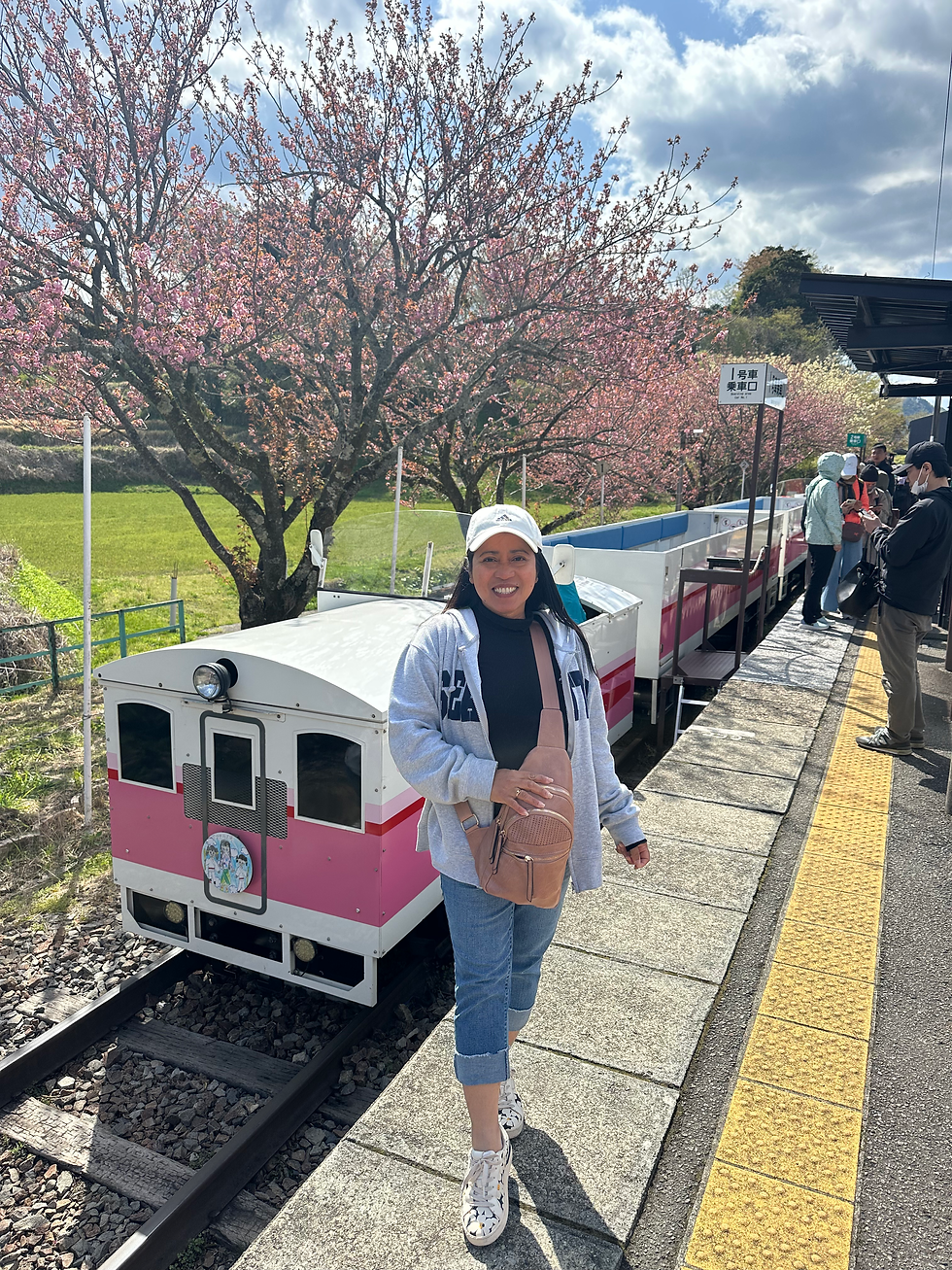
The Takachiho Amaterasu Railway is one of Kyushu’s most charming small-scale train experiences. The sightseeing train, often recognized for its cheerful pink design, runs along part of a former railway line through forested mountains and open views.
This is not a long intercity ride. It is a short scenic outing, and that is part of its appeal. The pace is slow, the mood is playful, and the views are easy to enjoy without rushing from one major sight to the next.
Families, couples, and train lovers will especially enjoy it. On clear days, you can see across valleys and feel the fresh mountain air as the train rolls along.
Practical tip
Check operating days before you go. Small scenic railways can have seasonal schedules, weather-related pauses, or limited ticket availability.
Pair this railway with Takachiho Gorge for a full day in one of Kyushu’s most scenic mountain areas.
4. Follow the cliffs and waterfalls of Takachiho Gorge

Takachiho Gorge is one of Miyazaki’s standout natural sights. Its steep volcanic cliffs, clear river, and Manai Falls create a dramatic setting that feels different from Japan’s temple and city routes.
Many visitors come for the rowboats, which let you see the gorge from the water. Looking up at the cliffs from below gives the place real scale. If boats are not running due to weather or water conditions, the walking path still offers excellent views.
What to do here
Walk the gorge trail at a relaxed pace.
Try a rowboat ride if available.
Visit nearby Takachiho Shrine.
Stay for an evening kagura performance if you are interested in local mythology and dance.
Takachiho is easiest with a car, though buses connect it with nearby cities. If you are planning a Kyushu road trip, this area deserves more than a quick stop.
5. Ride a camel at the Tottori Sand Dunes

The Tottori Sand Dunes are one of Japan’s most unexpected landscapes. Instead of mountains, temples, or neon streets, you find wide sandy hills facing the Sea of Japan.
The dunes are especially fun for travelers who want something unusual. You can walk up the sandy slopes, watch the wind shape patterns across the surface, and take in sea views from the top. Camel rides are available in the area and add a playful twist, especially for families.
Practical tip
Wear comfortable shoes and expect sand to get everywhere. In summer, the sand can become hot, so mornings and late afternoons are more comfortable.
Nearby, the Sand Museum often features large sand sculptures based on changing themes. Together, the dunes and museum make Tottori a strong choice for travelers looking beyond the most common Japan travel guide routes.
6. Visit the red torii gates of Motonosumi Shrine

Motonosumi Shrine in Yamaguchi is known for its striking line of red torii gates stretching down toward the Sea of Japan. The combination of red gates, green cliffs, and deep blue water makes it one of the most scenic coastal shrine settings in the country.
The shrine sits in a rural area, so it takes more effort to reach than famous city shrines. That effort is part of the experience. The road trip through Yamaguchi’s coast and countryside gives you a quieter view of western Honshu.
What makes it special
The torii gates create a strong visual path down the hillside.
Ocean views change with the weather and light.
The area pairs well with other Yamaguchi coastal stops.
A rental car is the most practical option. Public transportation is limited, and taxis can be costly if not planned carefully. Go early if you want a calmer visit and softer light for photos.
7. Walk through blue nemophila fields at Hitachi Seaside Park

Hitachi Seaside Park in Ibaraki is famous for its seasonal flower displays, especially the blue nemophila that cover Miharashi Hill in spring. The field seems to blend into the sky on clear days, creating one of Japan’s most memorable flower scenes.
Spring nemophila usually draws the most attention, but the park is not a one-season destination. Autumn kochia, narcissus, tulips, and other seasonal plantings make it worth checking throughout the year.
Practical tip
Peak bloom can shift depending on weather. Check recent flower reports before making the trip from Tokyo.
The park is large, so give yourself time to walk or rent a bicycle inside if available. It is a great choice for couples, families, and photography enthusiasts who want nature without traveling deep into the mountains.
8. Stand beneath Tenku no Torii, the torii gate in the sky

Tenku no Torii, often linked with Takaya Shrine in Kagawa, is known for its high viewpoint over the Seto Inland Sea. The name means “torii gate in the sky,” and it fits the feeling of standing near the gate with the coastline and islands below.
The viewpoint is especially appealing in clear weather, when the sea, city, and surrounding hills spread out beneath you. It is peaceful, scenic, and a great add-on if you are exploring Shikoku or the Setouchi region.
The “meet a samurai” part of the experience usually comes through cultural photo sessions, performances, or local activity operators rather than the shrine itself. If that is on your wish list, book a samurai-style experience nearby in advance and treat it as a cultural activity, not a casual costume prop.
Practical tip
Access may involve narrow roads or a hike depending on the route. Check local access guidance, especially if driving.
9. Breathe in the open scenery of Kusasenri in Kumamoto
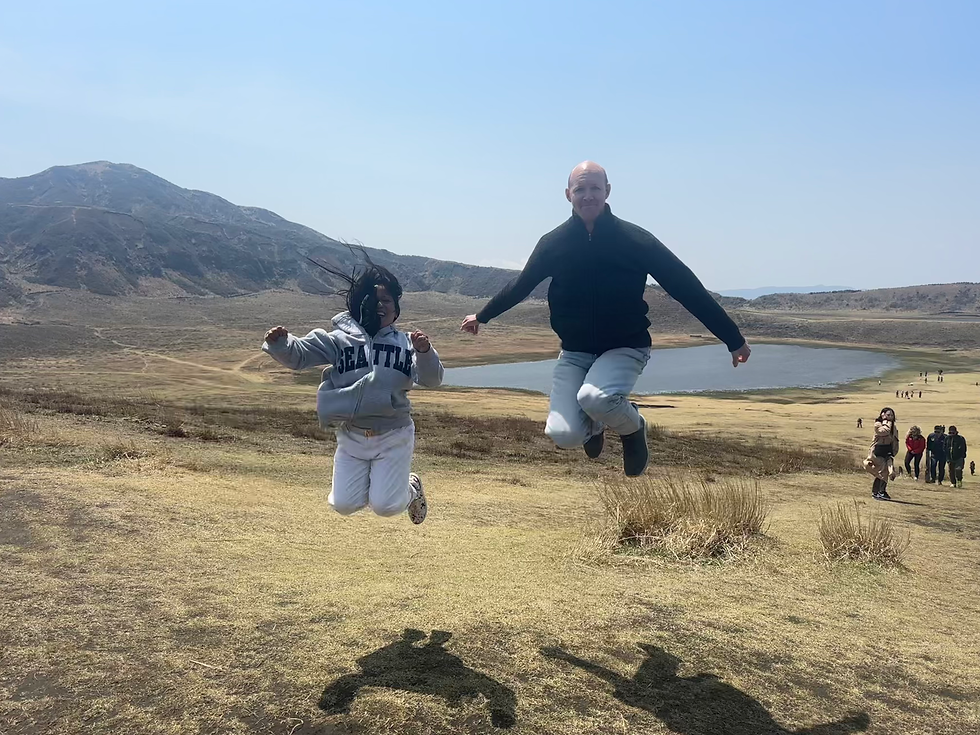
Kusasenri is a broad grassland near Mount Aso in Kumamoto. It offers wide views, grazing horses, a pond, and the unmistakable presence of volcanic terrain nearby.
This is one of the best places in Kyushu to appreciate Japan nature on a grand scale. The scenery feels open and spacious, which makes it a welcome contrast to dense cities and busy sightseeing districts.
What to do here
Take a slow walk across the grassland.
Visit nearby viewpoints around the Aso area when access allows.
Stop at the visitor facilities to learn more about the volcano.
Watch horses grazing against the mountain backdrop.
Mount Aso is an active volcanic area, so access to certain zones can change. Check current conditions before planning your day. If you are driving through Kumamoto, Kusasenri makes a memorable stop between hot spring towns, mountain roads, and local food spots.
10. Add thrills and character on Awaji Island

Awaji Island sits between Honshu and Shikoku, connected by impressive bridges and surrounded by sea views. It is a flexible destination with beaches, parks, cafes, family attractions, and easy road trip routes.
One of its most talked-about attractions is Nijigen no Mori, an outdoor anime and game-themed park. The Godzilla Interception Operation area includes a zipline-style attraction that sends visitors toward a giant Godzilla figure. It is playful, high-energy, and especially fun for families, groups, and fans of Japanese pop culture.
Awaji Island also offers a softer side. You can visit flower parks, enjoy coastal drives, eat local onions and seafood, or use the island as a relaxed stop between Kobe, Osaka, and Tokushima.
Practical tip
A car makes Awaji much easier to explore. Attractions are spread out, and buses may not match every schedule.
How to plan these stops into a Japan itinerary
Trying to visit all 10 places in one trip would take careful planning. They are spread across Honshu, Kyushu, Shikoku, and nearby islands. Instead, choose a few that match your route.
Here are simple pairings that work well:
If your trip includes | Add these places |
Osaka, Hiroshima, or Okayama | Kurashiki and Motonosumi Shrine |
Kanazawa or Takayama | Shirakawa-go |
Fukuoka, Kumamoto, or Miyazaki | Takachiho, Takachiho Railway, and Kusasenri |
Tokyo | Hitachi Seaside Park |
Kobe, Osaka, or Shikoku | Awaji Island and Tenku no Torii |
Western Honshu road trip | Tottori Sand Dunes and Yamaguchi coast |
For train-focused travelers, Kurashiki, Hitachi Seaside Park, and Shirakawa-go are easier to work into a public transportation plan. For rural coastlines, volcanic areas, and spread-out attractions, renting a car often saves time.
Also think in seasons. Shirakawa-go shines in winter, Hitachi Seaside Park is famous in spring, and Kusasenri is lovely when the grasslands are green. Motonosumi Shrine and Kurashiki can work in many seasons if the weather cooperates.
A more interesting Japan trip starts with one extra stop
The best Japan trips often come from mixing famous places with quieter detours. A morning in Kurashiki, a winter night in Shirakawa-go, a camel ride in Tottori, or a scenic train ride in Takachiho can give your route a story that feels personal.
You do not need to skip Tokyo, Kyoto, or Osaka. Just leave room for one or two places that ask you to slow down, look around, and enjoy Japan from a different angle. That is where the trip often becomes the most memorable.


Comments