
Is Japan Still Worth Visiting in 2026 Crowds Best Times Hidden Gems and Local Tips
Japan is still worth the trip in 2026, but the old “just show up and follow the classic route” approach needs an update.
Japan is dealing with record numbers of international visitors, and some popular destinations are feeling the pressure. That does not mean the whole country is packed shoulder to shoulder. It means certain places, at certain hours, in certain seasons, can feel far more crowded than many first-time visitors expect.

After living in Japan for over nine years, my honest answer is simple: yes, Japan is still worth visiting in 2026. The food, trains, temples, neighborhoods, hot springs, local festivals, convenience stores, mountain towns, and quiet side streets still make it one of the most rewarding countries to explore.
The trick is knowing where the pressure points are, when to avoid them, and how to build a trip that gives enough space to enjoy the country instead of just checking off famous spots.
Is Japan actually overcrowded in 2026?
Japan is not overcrowded everywhere. The crowding is uneven.
A first-time visitor might land in Tokyo, ride the Yamanote Line at rush hour, visit Senso-ji at noon, then take the shinkansen to Kyoto and walk through Fushimi Inari behind a long line of people. That version of Japan can feel packed.
But ride a local train 30 minutes from a major center, eat lunch at 11:30 a.m. instead of 12:30 p.m., or visit a regional city on a weekday, and the feeling changes fast.
The real issue with Japan tourist crowds is concentration. Many visitors follow the same route:
Tokyo
Hakone or Mount Fuji
Kyoto
Nara
Osaka
Hiroshima
Miyajima
That route is popular for good reason. It covers some of the country’s best-known food, history, city life, and scenery. The problem is that millions of people make similar choices in the same weeks of the year.
In other words, Japan travel 2026 is not about avoiding Japan. It is about avoiding the most crowded version of Japan.
Tokyo and Kyoto feel crowded in very different ways
Tokyo and Kyoto are both popular, but they absorb visitors differently.
Tokyo crowds are intense but easier to escape
Tokyo is huge. It has many centers instead of one main downtown. Shinjuku, Shibuya, Ginza, Ueno, Ikebukuro, Asakusa, Roppongi, and many smaller neighborhoods all pull people in different directions.
That spreads the pressure out.
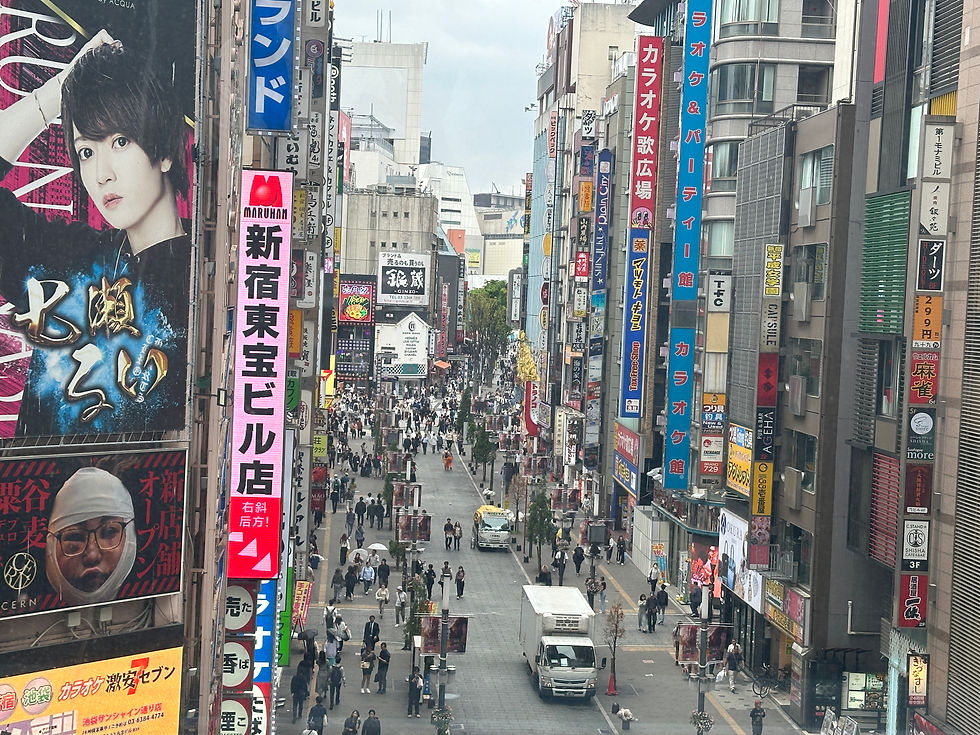
Yes, Shibuya Crossing can feel chaotic. Takeshita Street in Harajuku can be slow-going. Senso-ji in Asakusa gets very busy by midday. Tokyo Station during commuter hours can overwhelm anyone on a first visit.
But Tokyo also gives you choices. If one area feels too crowded, another interesting neighborhood is usually a short train ride away.
Instead of spending the whole day in Shibuya and Harajuku, try:
Daikanyama for cafes, bookstores, and quieter streets
Kiyosumi-Shirakawa for coffee, gardens, and galleries
Yanaka for old-town lanes and small temples
Kagurazaka for alleys, restaurants, and a slower evening walk
Koenji for vintage shops, music bars, and casual food
In Tokyo, crowds often come in waves. Early morning is calm. Weekday afternoons are manageable in many areas. Friday and Saturday nights in major entertainment districts can be very busy, but even then, the city has space if you move one or two stops away.
Kyoto crowds feel more concentrated

Kyoto is smaller, and many famous sights sit along narrow streets, temple paths, bus routes, and old districts that were not designed for heavy modern tourism.
That is why Kyoto can feel more crowded than Tokyo, even though Tokyo has far more people.
The busiest parts of Kyoto include:
Kiyomizu-dera and the streets of Ninenzaka and Sannenzaka
Fushimi Inari’s lower trail
Arashiyama Bamboo Grove
Kinkaku-ji
Nishiki Market
Gion in the early evening
Kyoto is still wonderful, but timing matters more there. A 7:00 a.m. visit and an 11:00 a.m. visit can feel like two different cities.
My personal rule for Kyoto is this: pick one famous place per day, go early, then spend the rest of the day in calmer areas. Trying to hit five major sights in one day leads to packed buses, long walks through crowds, and temple fatigue.
Japan’s busiest travel seasons are predictable
Some crowding can be avoided just by choosing dates carefully. Japan has several peak periods, and they affect hotels, trains, restaurants, and popular sights.
Cherry blossom season

Late March to early April is one of the busiest times to visit Japan. The exact timing changes by region and weather, but the demand is always high.
Tokyo, Kyoto, Osaka, Nara, and Hiroshima are especially crowded during bloom periods. Parks, riverbanks, and famous photo spots fill quickly.
If cherry blossoms are a priority, go in with realistic expectations. Book early, start mornings early, and leave space in the schedule. Blossoms do not follow travel plans perfectly.
Golden Week
Golden Week runs from late April into early May. This is a major domestic travel period, not just an international one.
Trains book up. Hotels get expensive. Popular places feel crowded because many people in Japan travel at the same time.
For a first trip, I would avoid Golden Week unless there is a specific reason to go.
Summer holidays and Obon
July and August bring heat, humidity, school holidays, fireworks festivals, and the Obon period in mid-August.
Obon is a time when many people return to family homes or travel domestically. Transport can be busy, and the heat can make crowded places feel more tiring.
Summer can still work if the focus is Hokkaido, Tohoku, mountain areas, islands, or festivals. For a classic Tokyo, Kyoto, Osaka route, summer is doable but not the easiest season.
Autumn foliage season
Mid-November to early December is another peak period, especially in Kyoto. The colors can be excellent, but famous temples and gardens draw large crowds.
If fall leaves matter, consider regional alternatives such as Tohoku, Nagano, Gifu, or less central parts of Kyoto.
New Year period
Late December to early January brings closures, shrine visits, family travel, and special schedules. It can be a meaningful time to be in Japan, but first-time visitors need to plan carefully.
Many restaurants and smaller shops close for part of the holiday period.
The best time to visit Japan to avoid crowds
For fewer crowds, better prices, and easier planning, these windows tend to work well:
Mid-January to early March
Cold in many areas, but great for city travel, hot springs, winter food, snow scenery, and fewer crowds outside ski areas.
Mid-May to early June
After Golden Week and before the deepest summer heat. Some areas enter rainy season, but this can be a pleasant time to travel.
September to early October
Still warm, with some typhoon risk, but often less crowded than spring and late fall.
Early December
After peak autumn leaves in many areas and before the major New Year travel period.
The best time to visit Japan to avoid crowds is usually outside cherry blossom season, Golden Week, Obon, and peak autumn foliage. That simple choice can improve the whole trip.
Places to avoid during busy times and where to go instead
Famous places are not bad. Some are famous because they really are worth seeing. The key is not to visit all of them at the same time as everyone else.
Avoid during peak hours or peak seasons | Try instead |
Arashiyama Bamboo Grove in Kyoto | Adashino Nenbutsu-ji, Otagi Nenbutsu-ji, or the Sagano area early in the morning |
Fushimi Inari’s lower trail | Walk higher up the mountain where crowds thin out |
Kiyomizu-dera at midday | Go at opening time, then explore quieter temples nearby |
Nishiki Market at lunch | Visit earlier, or eat in local shopping arcades away from central Kyoto |
Shibuya Crossing on a Saturday night | Visit on a weekday, then walk to Daikanyama or Nakameguro |
Harajuku’s Takeshita Street on weekends | Try Shimokitazawa, Koenji, or Kichijoji |
Nara Park at peak midday | Arrive early, then continue to Isuien Garden or Mount Wakakusa |
Hakone during holiday weekends | Try Nikko, Izu Peninsula, Kinosaki Onsen, or Yudanaka Onsen |
A small shift can make a big difference. In Kyoto, I often tell friends to visit famous temples early, then spend the afternoon walking in areas that do not dominate guidebook covers. Many of my best days in Kyoto were not at the headline sights. They were on quiet lanes between temples, in small soba shops, or along canals with almost no one around.
Less-visited destinations that tourists often miss
Japan rewards curiosity. First-time visitors do not need to abandon Tokyo and Kyoto, but adding one smaller city or region can make the trip feel more balanced.
Kanazawa
Kanazawa offers gardens, samurai districts, seafood, craft traditions, and a slower pace than Kyoto. Kenrokuen gets visitors, of course, but the city as a whole feels easier to move through.
It works well between Tokyo and Kyoto if the route makes sense.
Matsumoto

Matsumoto has one of Japan’s most impressive original castles, good soba, clean mountain air, and access to the Japanese Alps. Matsumoto is famous for its castle. It is a strong choice for travelers who want history without the same crowd levels as Kyoto.
Takamatsu and the Seto Inland Sea
Takamatsu in Kagawa Prefecture is known for udon, Ritsurin Garden, and ferry access to islands in the Seto Inland Sea. The pace feels different from the big-city route, and the region pairs well with Okayama, Kurashiki, or Naoshima.
Tohoku
Northern Honshu often gets skipped on first trips, which is a shame. Sendai, Aomori, Akita, Yamagata, and Iwate offer hot springs, festivals, temples, mountain scenery, and excellent food.
For a quieter winter or fall trip, Tohoku can be a smart choice.
Kyushu
Kyushu has a strong identity, great rail routes, hot springs, volcanoes, and food that differs from what many people associate with Tokyo or Kyoto.
Fukuoka is easy for first-timers. Nagasaki has layered history and a beautiful harbor setting. Kumamoto, Kagoshima, Beppu, and Yufuin all work well depending on your interests.
Shikoku
Shikoku is still underused by many international visitors. It has pilgrimage temples, castles, rivers, coastal towns, and excellent local food.
It is not as convenient as the main Tokyo to Kyoto route, but that is part of why it feels calmer.
Practical tips from over nine years in Japan
A better Japan trip often comes down to small habits.
Start early, then slow down
The easiest way to beat crowds is to wake up earlier than feels normal on vacation. Temples, shrines, markets, and famous streets are calmer in the morning.
Then slow down in the afternoon. Sit in a cafe. Visit a small museum. Take a train to a less busy neighborhood. Japan is not only a checklist of sights.
Use trains wisely
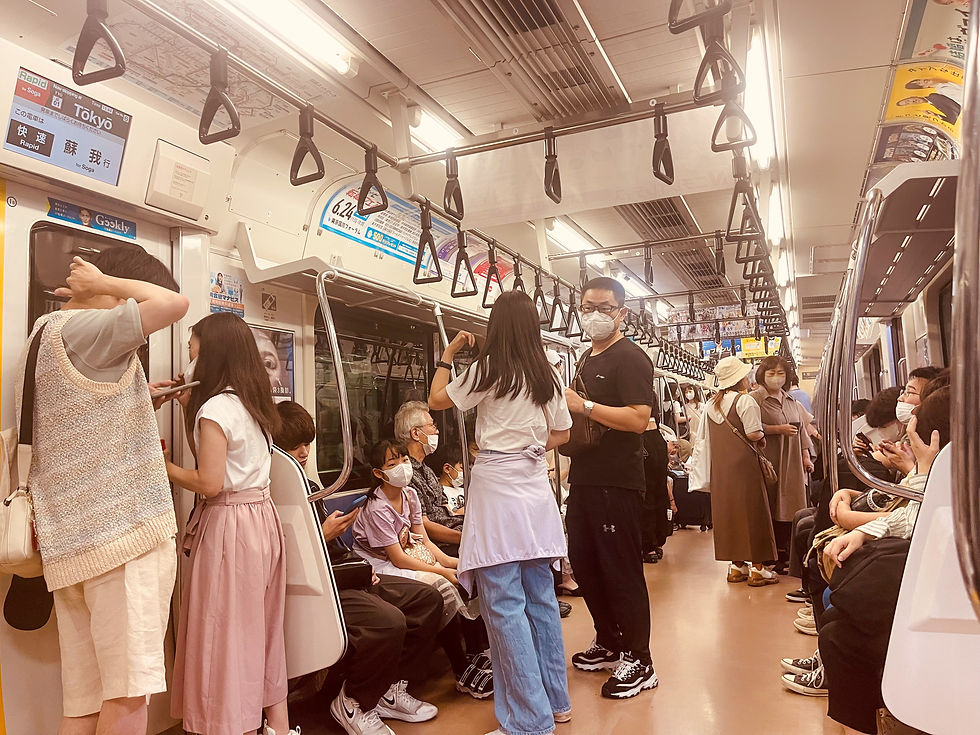
Avoid commuter rush hours in major cities when carrying luggage. In Tokyo, this usually means staying off the busiest train lines during the morning and early evening peaks if possible.
For long-distance trains, reserve seats during busy periods. If traveling around holidays, do not leave it until the last minute.
Stay longer in fewer places
A common first-trip mistake is moving cities every one or two nights. Japan’s trains make this possible, but possible does not always mean pleasant.
Three nights in Kyoto is better than one rushed night in Kyoto, one in Osaka, one in Nara, and one in Hiroshima. Fewer hotel changes means more energy for the actual trip.
Eat before or after the rush
Restaurants in popular areas can get long lines at normal meal times. Eat lunch around 11:00 a.m. or 2:00 p.m. Dinner around 5:30 p.m. or after 8:00 p.m. can also be easier.
Department store food floors, station restaurants, neighborhood izakaya, bakeries, and casual noodle shops often save the day.
Learn a few basic manners
A little awareness goes far in Japan.
Stand aside before checking a map
Keep voices low on trains
Do not block narrow streets for photos
Follow local signs at temples and shrines
Carry a small trash bag, since public bins can be limited
Ask before photographing people closely
None of this is difficult. It just makes travel smoother for everyone nearby.
Check local rules before visiting sensitive areas
Some places have introduced fees, timed entry systems, crowd controls, or rules for specific streets and natural sites. Mount Fuji, parts of Kyoto, and some island or heritage areas may have changing policies by 2026.
Search official tourism or city websites before the trip, especially for popular seasonal spots. Do not rely only on old blog posts or short videos.
So, is Japan too crowded in 2026?
Japan can be crowded. Popular parts of Kyoto can feel especially strained. Tokyo can feel intense, but it usually gives more room to adjust. Peak seasons require planning, and some famous places are less pleasant when visited at the wrong time.
But Japan is not “ruined,” and it is not a place to skip.
The best Japan trips in 2026 will be planned with timing, pacing, and flexibility in mind.
Spend early mornings at the famous places. Use afternoons for neighborhoods, regional cities, food, baths, gardens, and train rides. Add at least one smaller destination if time allows. Avoid stacking every headline sight into one exhausting route.
Japan still offers incredible food, history, nature, and everyday experiences that are worth the trip. Go with a smarter plan, and 2026 can still be a very good year to visit.


Comments