


25 Best Things to Do in Tokyo for First Time Visitors with Local Tips and Personal Stories
- Incredible Traveler
- 3 days ago
- 8 min read
Tokyo can feel like five cities stacked on top of each other. One minute you are standing at a quiet shrine gate, the next you are under neon signs trying to choose between ramen, sushi, curry, and convenience store fried chicken.
For a first trip, I recommend building your days around neighborhoods instead of racing across the map. Tokyo rewards slow wandering, but it also helps to know which places are worth your time. This guide covers 25 of the best things to do in Tokyo, with practical tips, local notes, and a few personal stories from my own trips through the city.
1. Cross Shibuya Scramble Crossing

Shibuya Scramble Crossing is one of Tokyo’s most recognizable scenes for a reason. When the traffic lights turn red, people pour into the intersection from every direction, then somehow clear out before the cars return.
For photos, go early if you want space at street level. For a wider shot, use the upper-floor windows at Shibuya Station, Shibuya Sky, or nearby cafés. My favorite moment was watching the crossing in the rain, when umbrellas turned the whole intersection into a moving pattern.
Local tip: Cross once, then step aside near the Hachiko side and watch a few light cycles before taking photos.
2. Visit the Hachiko Statue

Just outside Shibuya Station, the Hachiko statue honors the loyal Akita dog who waited for his owner every day, even after his owner died. It is small, often crowded, and easy to miss if you expect a grand monument.
I like stopping here because it gives Shibuya a human story before the billboards and shops take over.
Local tip: Use Hachiko as a meeting point only if your group is patient. It gets crowded fast.
3. Explore Sensoji Temple in Asakusa

Sensoji is Tokyo’s oldest temple, with roots traditionally traced to 628. It is also one of the city’s busiest religious sites, often cited as drawing around 30 million visitors a year.
Walk through Kaminarimon Gate, pass the giant red lantern, and follow Nakamise-dori toward the main hall. I once arrived just after sunrise and heard only soft footsteps and temple bells. By late morning, the same path was packed.
Local tip: Go before 9 a.m. for calmer photos, then return later if you want snack stalls and street energy.
4. Snack your way down Nakamise-dori

Nakamise-dori is the shopping street leading to Sensoji. It sells rice crackers, ningyo-yaki cakes, fans, chopsticks, and small souvenirs that are easy to pack. We tried many foods including the strawberry dessert.
Try freshly made melon pan or sweet potato snacks from the side streets. Some stalls ask visitors not to eat while walking, so pause near the shop and finish there.
Local tip: The side lanes around Sensoji often have better food and fewer crowds than the main approach.
5. Go up Tokyo Skytree
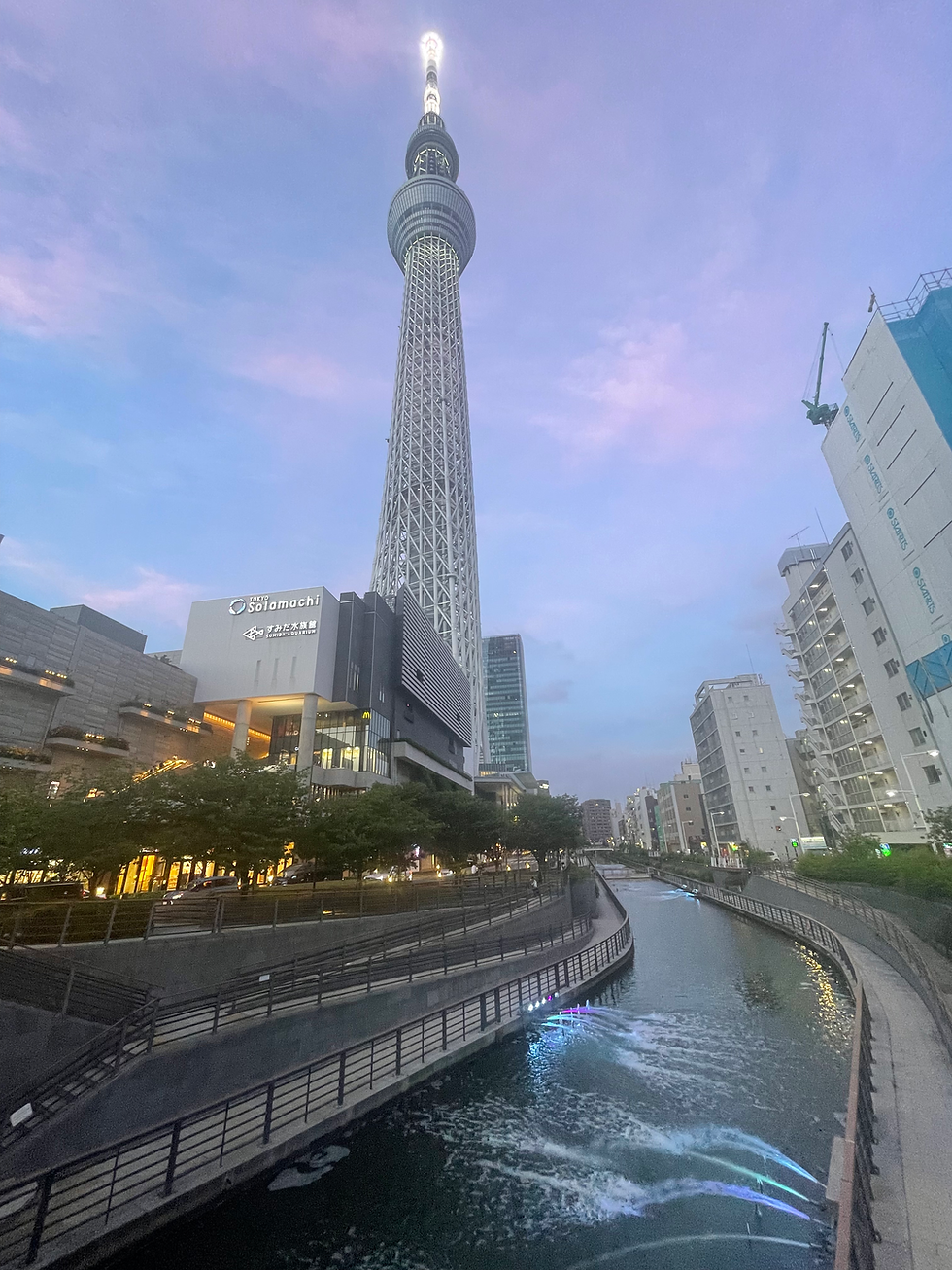
Tokyo Skytree rises 2,080 feet, making it the tallest structure in Japan. Its design uses a central reinforced concrete shaft and a shape inspired by traditional Japanese curves, built to handle earthquakes and strong winds.
The views help you understand Tokyo’s scale. On a clear day, Mount Fuji may appear in the distance. This is, of course, when you are in the observatory area.
Local tip: Book a timed ticket near sunset, but check the weather first. Clouds can hide the city completely.
6. Walk through teamLab Planets

teamLab Planets is an interactive digital art museum where visitors walk barefoot through water, mirrored rooms, flowers, and light-based installations. Families usually enjoy it because the art responds to movement and feels playful instead of quiet and formal.
I saw kids laughing in the knee-deep water room while adults tried to act composed and failed.
Local tip: Wear pants that roll up easily. Lockers are available, and bare feet are part of the experience.
7. Find quiet at Meiji Shrine
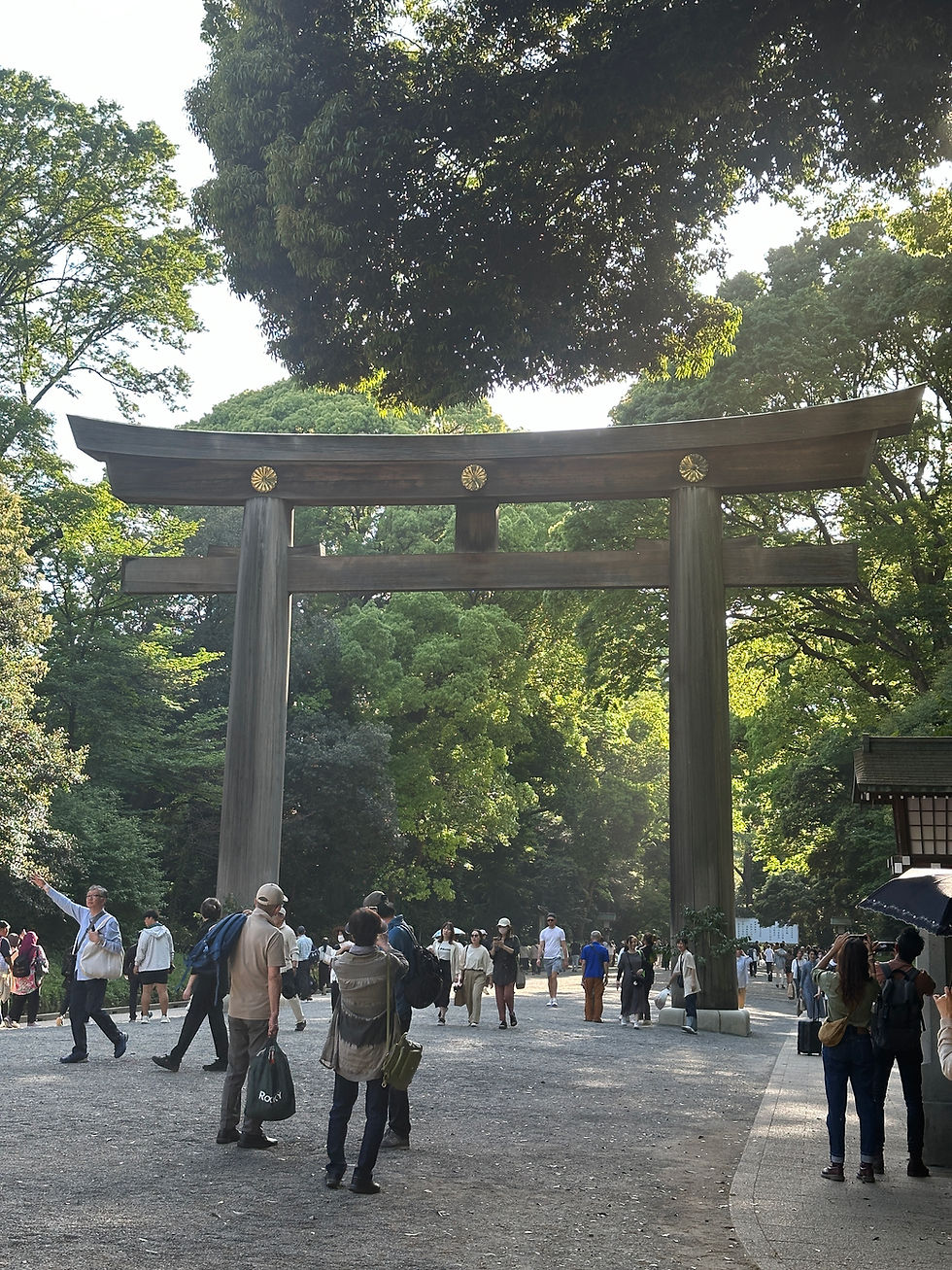
Meiji Shrine sits in a forested area beside Harajuku. The long gravel path gives you a rare buffer from traffic and train noise.
The shrine honors Emperor Meiji and Empress Shoken. If you are lucky, you may see a traditional wedding procession on a weekend.
Local tip: Bow lightly at the torii gate, stay to the side of the path, and cleanse your hands at the basin before approaching the main shrine area.
8. Wander Takeshita Street in Harajuku

Takeshita Street is loud, crowded, and full of youth fashion, crepes, character goods, and quick snacks. It can feel intense, but it is part of the Harajuku experience.
I usually walk it once, then escape to the calmer backstreets.
Local tip: Visit before lunch if you want breathing room. By midafternoon, movement slows to a shuffle.
9. Stroll Omotesando

Omotesando is the polished side of Harajuku, with modern architecture, design shops, and stylish cafés. The broad tree-lined avenue is great after Takeshita Street because it gives your brain a break. One of our favorite times to visit Omotesando is during the winter season.
Local tip: Look up. Many buildings here are more interesting from across the street than from the doorway.
10. Eat breakfast at Tsukiji Outer Market

Tsukiji’s wholesale tuna auction moved to Toyosu, but the outer market remains one of the best places for food. Go for grilled seafood skewers, tamagoyaki, sushi bowls, and fresh fruit.
My best Tsukiji meal was a simple bowl of rice topped with tuna and green onion, eaten at a counter before 8 a.m.
Local tip: Bring cash and start early. Many shops slow down or close by early afternoon.
11. Visit Toyosu Market
Toyosu Market is cleaner and more controlled than old Tsukiji. Visitors can watch market activity from designated viewing areas, and the food floors have excellent sushi and set meals.
Local tip: If you want to see serious market action, arrive very early. For a relaxed meal, late morning is easier.
12. Shop and snack in Ginza
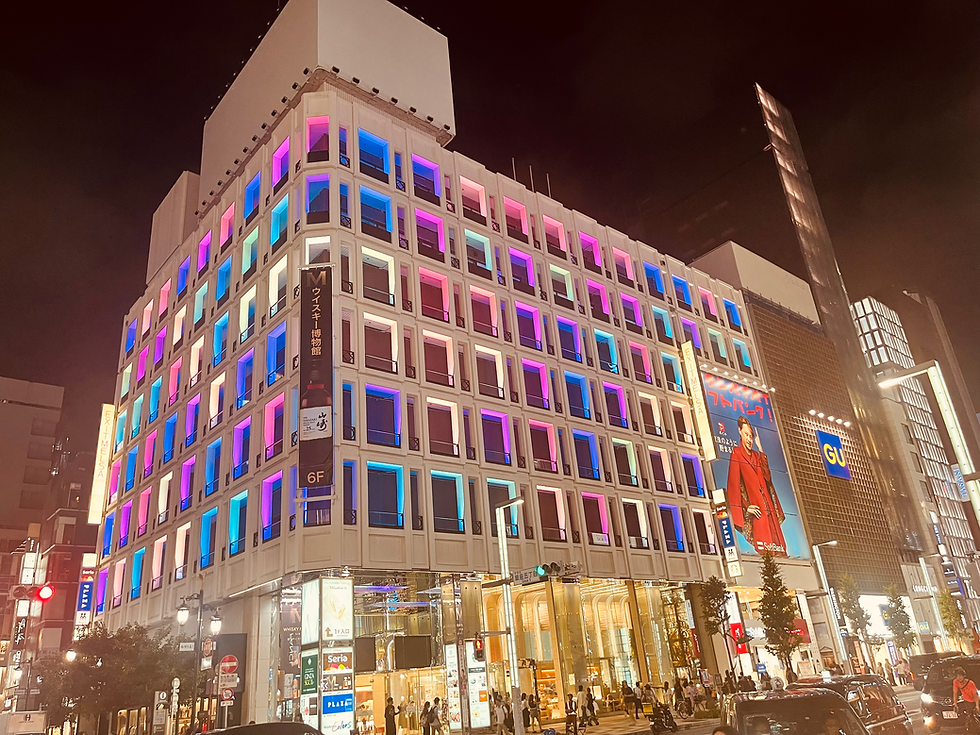
Ginza is Tokyo’s high-end shopping district, but it is not only luxury brands. Department store food halls are the real prize. Basement levels sell bento, sweets, fruit, tea, and seasonal gifts.
Local tip: Visit a depachika before dinner and build a picnic meal to eat back at your hotel.
13. Explore Tokyo Station and Marunouchi

Tokyo Station’s red-brick Marunouchi side is beautiful, especially in the evening. Inside, the station is a maze of ramen shops, character stores, bakeries, and souvenir counters.
Local tip: Give yourself extra time here. I have missed a planned train simply because I underestimated the station layout.
14. Walk the Imperial Palace East Gardens

The Imperial Palace East Gardens are free to enter and offer stone walls, wide lawns, seasonal flowers, and traces of Edo Castle. It is a good low-cost stop between Tokyo Station and Ginza.
Local tip: Check opening days before going, since the gardens close on certain days of the week and for special events.
15. Browse Akihabara’s electronics and anime shops

Akihabara is known for electronics, video games, manga, anime goods, and arcades. Even if you do not collect figures or games, the area is fun to explore for an hour or two.
Local tip: Smaller upper-floor shops often have better finds than the street-level stores.
16. Spend time in Ueno Park
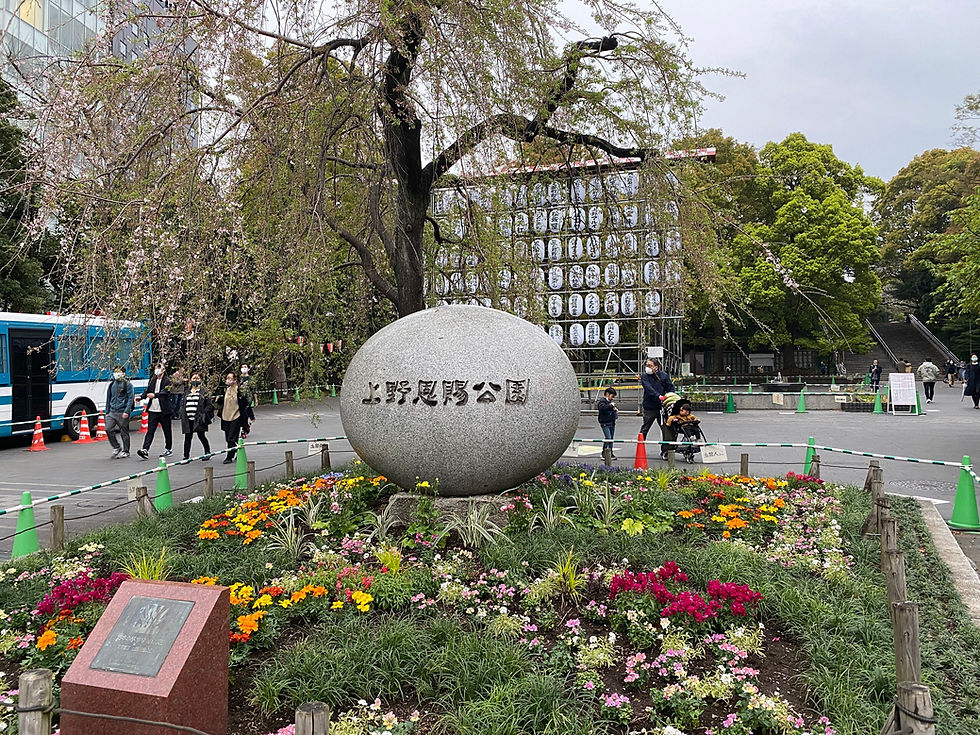
Ueno Park works well when you want several Tokyo attractions in one area. You can visit museums, see Shinobazu Pond, stop at temples, or head to Ueno Zoo.
During cherry blossom season, the park gets packed. Outside that period, it is a relaxed place to rest between neighborhoods.
Local tip: Pair Ueno with nearby Ameyoko for street food and casual shopping.
17. Eat and shop along Ameyoko

Ameyoko runs near Ueno Station and feels more chaotic than polished Tokyo shopping areas. Expect seafood, snacks, discount clothing, cosmetics, and narrow lanes.
I like grabbing a skewer or taiyaki here, then standing off to the side to people-watch.
Local tip: Prices can be reasonable, but compare before buying snacks or souvenirs.
18. Slow down in Yanaka

Yanaka escaped much of the heavy redevelopment seen elsewhere in Tokyo, so its lanes feel older and more residential. Yanaka Ginza has small shops, snacks, and a slower pace.
Local tip: Go in the late afternoon, when the shopping street feels local and relaxed.
19. Picnic at Shinjuku Gyoen

Shinjuku Gyoen is one of my favorite places to reset during a packed trip. The garden has Japanese, English, and French-style areas, plus wide lawns that invite a quiet lunch. Many people picnic under the cherry blossom trees. It is a season that Japanese call Hanami.
Local tip: Buy snacks before entering. Alcohol is restricted, and the garden has opening hours, unlike many public parks.
20. See the city from the Tokyo Metropolitan Government Building

The Tokyo Metropolitan Government Building has free observation decks in Shinjuku. It is not as tall as Skytree, but the price is hard to beat.
Local tip: Go after dark if your days are full. Shinjuku’s lights look great from above.
21. Eat in Omoide Yokocho

Omoide Yokocho is a narrow lane near Shinjuku Station filled with tiny eateries serving yakitori, noodles, and drinks. We enjoyed some yakitori (grilled chicken) and squid. Some places are tourist-friendly, while others feel more local.
Local tip: Choose a shop with clear prices and available seats. Space is tight, so travel light.
22. Have a drink in Golden Gai
Golden Gai is a cluster of tiny bars in Shinjuku. Many only fit a handful of people. Some welcome visitors, while others prefer regulars.
Local tip: Look for menus outside and ask about cover charges before sitting down.
23. Visit Roppongi Hills and the Mori Art Museum

Roppongi Hills combines shopping, food, art, and city views. We love going to the Roppongi Hills during the winter season with the stunning illuminations in view. The Mori Art Museum often has thoughtful contemporary exhibitions, and the area is easy to pair with dinner.
Local tip: Check current exhibits before planning around it. Museum quality depends on what is showing.
24. Ride a Sumida River cruise

A Sumida River cruise gives your feet a break and shows Tokyo from a different angle. Routes often connect Asakusa with areas like Hamarikyu or Hinode Pier.
Local tip: This works well after Sensoji. Book ahead during busy travel seasons.
25. Spend a day at Tokyo DisneySea

Tokyo DisneySea sits in nearby Urayasu, but many first-time visitors include it in a Tokyo itinerary. The park has detailed ports, strong food options, and rides that differ from other Disney parks.
Local tip: Buy tickets early and arrive before opening. Popular rides can build long waits quickly.
A simple way to plan your first Tokyo trip
Group nearby places to avoid wasting time on trains.
Day | Easy area plan |
Day 1 | Shibuya, Harajuku, Meiji Shrine, Omotesando |
Day 2 | Asakusa, Sensoji, Skytree, Sumida River |
Day 3 | Tsukiji, Ginza, Tokyo Station, Imperial Palace |
Day 4 | Ueno, Ameyoko, Yanaka, Akihabara |
Day 5 | Shinjuku, Shinjuku Gyoen, Omoide Yokocho, Golden Gai |
If you want to book tickets, tours, observation decks, or family-friendly activities before you arrive, check current options on Klook for Tokyo attractions and experiences.
Tokyo is easier when you stop trying to see it all. Pick a few neighborhoods, leave space for meals and wrong turns, and let the city unfold one train ride at a time. The best places to visit in Tokyo are not only the famous ones, but the small moments between them: the bakery under the tracks, the shrine you pass by accident, and the vending machine coffee after a long walk.


Comments